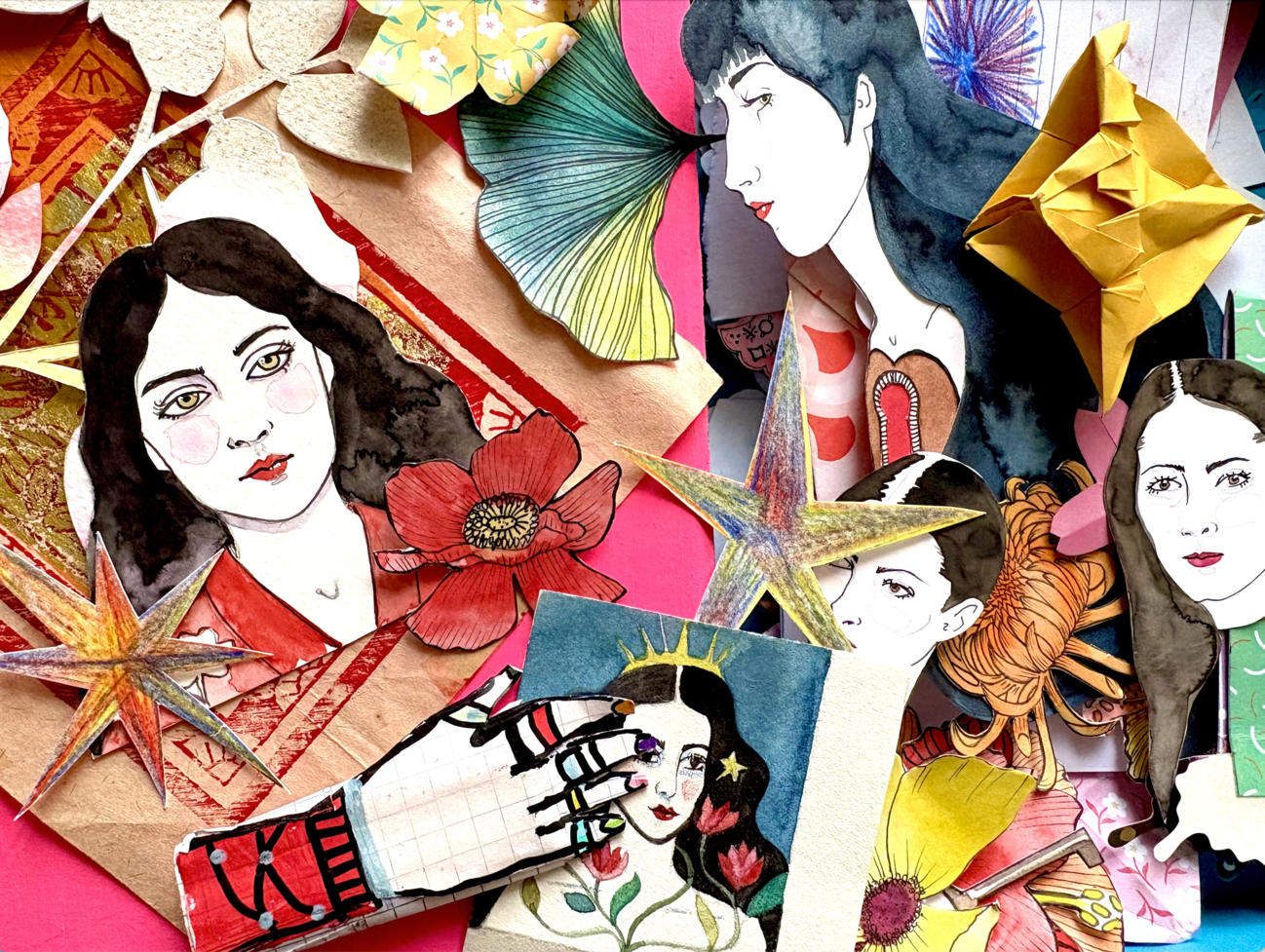
The creative process varies deeply from one person to another. There is no single correct way to create, no universal method that guarantees results. Each process is valid because it emerges from a different way of perceiving, feeling, and relating to the world.
In my case, everything begins with curiosity.
A very specific, vivid kind of curiosity that appears without warning. It can be a phrase that lingers, an image that won’t leave, a memory, a scent, a sensation that is hard to name. It’s not a structured idea, but rather a small spark that unsettles me just enough to want to follow it.
And I follow it.
I begin to create around it without knowing exactly where I’m going. I don’t try to translate it into words or define it. I explore it visually, intuitively. The process is guided far more by what draws me in the moment than by any prior logic. What works with what. What feels coherent. What asks to stay.
It’s not an exercise in reasoning.
It’s an exercise in attention.
I make decisions from that place: what calls me, what feels alive, what finds its place without needing to be explained. And little by little, the work begins to take shape.
But meaning doesn’t appear there.
Meaning comes later.
Only when the piece is finished, when I can look at it from a distance, something begins to organize itself. It’s as if everything that was chosen through intuition finds its own internal logic. That’s when I understand. Not before.
And even then, the work doesn’t fully close.
Because something happens over time: some pieces return. Not to be corrected, but to be continued. As if there were an open thread that wants to keep unfolding in another form.
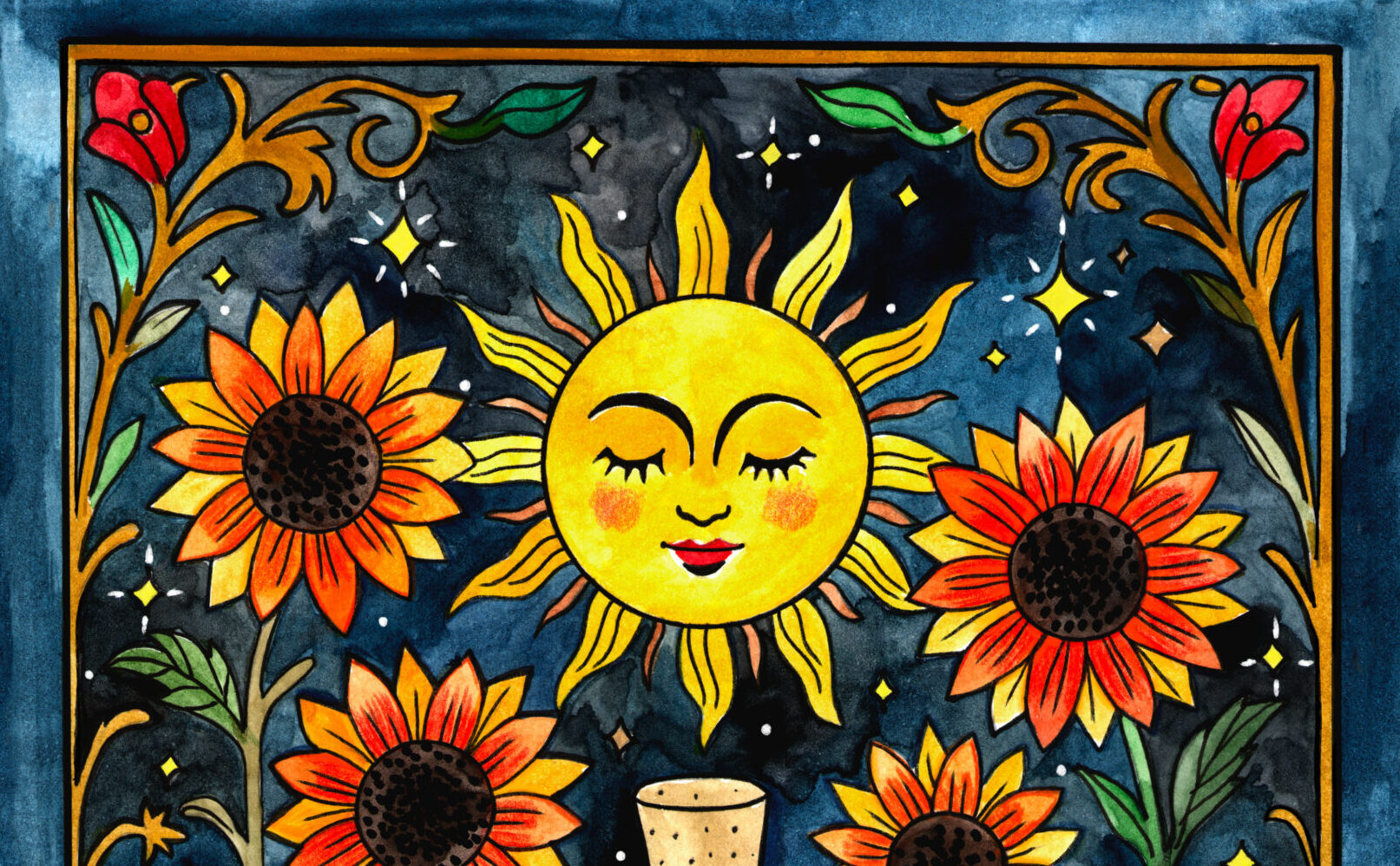
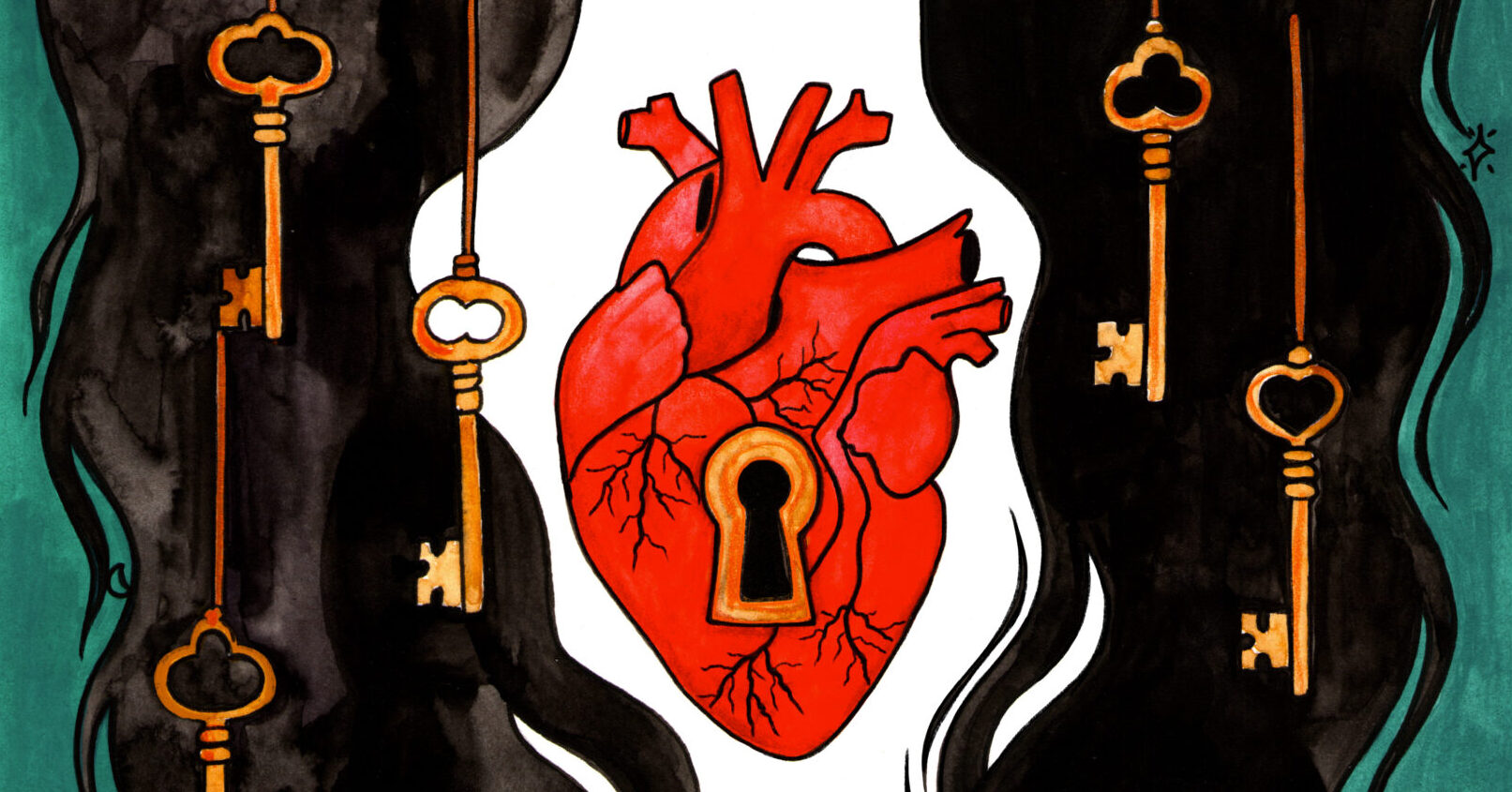
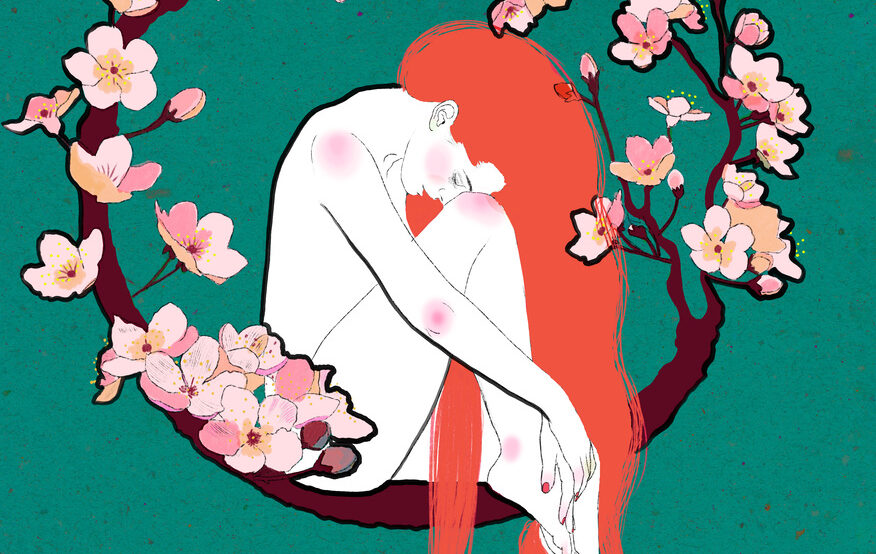
So I revisit elements from previous works. My own figures, my own women, fragments that already exist. And I use them to build something new: patterns, different compositions, new pieces that are born from what has already been created.
It’s not repetition.
It’s rereading.
It’s allowing a work to keep speaking in another language, at another moment, from another place.
Over time, I’ve understood that I don’t need to adapt to other people’s creative processes. There is a part of the process that is innate, a personal way of seeing and responding to what appears. And there is another part that develops over time, through practice, through experience, through making.
But both meet in the same place: in being faithful to one’s own way.
And following that, even when it isn’t linear, even when it’s not easy to explain, is always more honest than trying to fit into a system that was already made.